Rust solo survival that turns one player into a server-wide menace with smart base design and revenge raids
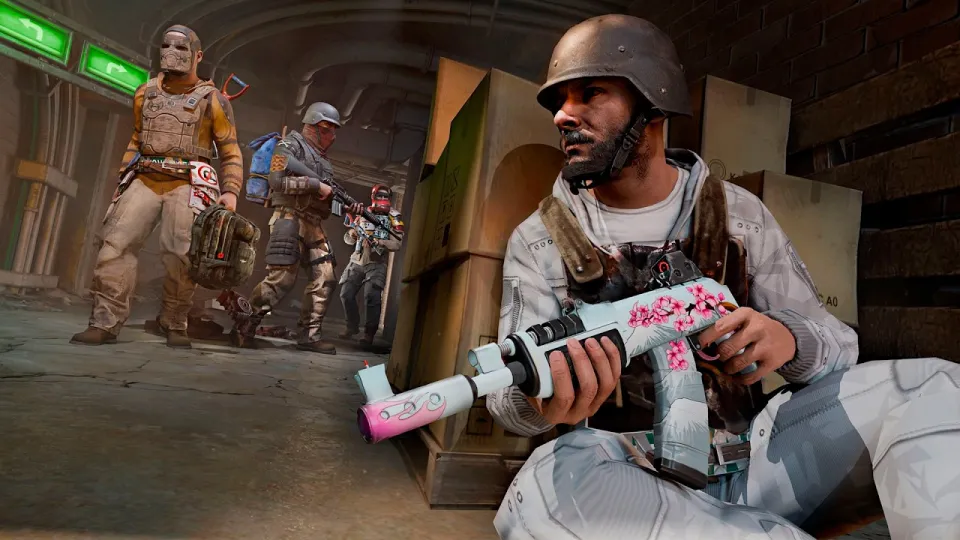
Video: THE SOLO MENACE – Rust
You can order the same kind of articles for your own video to boost it on YouTube and Google. Just message the Telegram bot @sat_sit_bot. Articles with your video embedded are written and posted by the bot itself — on popular topical sites (no ads). Your first 50 articles are free.
· based on the channel SPiiCY
Rust is a survival sandbox where one player can lose everything to a group of five, which is exactly why solo play is treated as its own discipline. The answer to surviving as a solo in Rust is to treat the wipe as a resource game: build small, hide your loot in layers, farm only what your next raid needs, and hit back at the people who wronged you when they least expect it. SPiiCY's solo run on a high-population server follows that exact pattern, and the bonus link at RustEasy gives new players a starting advantage before they ever swing a pickaxe.
What makes a Rust solo run different from group play
A solo player in Rust fights the same server as clans that can field four to ten people at once, so the numbers never favor you in a straight fight. The workaround is information and timing: a solo can farm at off-hours, avoid monuments during peak traffic, and pick fights only when a group is split or already hurt. SPiiCY's approach in this run is to stay mobile, keep the base modest, and never carry more than one raid's worth of loot on a roam. The comment section of the video reflects the same reality, with viewers asking where these high-population servers are because they rarely see anyone roaming on their own 600-player server — the difference is route knowledge and knowing which monuments and roads draw traffic at which hour.
How to build a base that survives when you are offline
A solo base in Rust should be cheap enough to rebuild in one session and annoying enough that raiders pick an easier target. Practical rules that hold up on vanilla servers:
- Keep the footprint small — a 2x2 or 2x1 with a triangle airlock costs far less to honeycomb than a 3x3.
- Layer doors instead of walls. Every extra door is a separate explosive charge, and sheet metal doors cost almost nothing compared to armored walls.
- Build a fake loot room with a wooden box and a few low-value items so a raider who breaches the first layer stops there.
- Split your real loot across two or three small stashes or secondary bases, so one raid never ends your wipe.
- Upgrade the core to stone early, then sheet metal, and only bother with armored when you already have a surplus of high-quality metal.
The base design in this video is the kind viewers ask about in the comments, and the full step-by-step build is documented on the creator's Patreon membership for anyone who wants the exact layout rather than a general principle.
How a solo player handles a zerg and a revenge raid
A revenge raid is the payoff of solo Rust: you identify who raided you, scout their base, calculate the cheapest path to their loot room, and hit them when their group is offline or scattered. The sequence that works looks like this:
- Check your base for the raiders' names on doors, boxes or tool cupboards left behind, and note the server time they struck.
- Scout their compound from a distance and count doors, garage doors and turrets before spending a single explosive.
- Craft only the sulfur you need for the shortest path — usually a side wall into a loot room rather than the front door.
- Bring a second set of gear and a backup kit stashed nearby, because a failed revenge raid usually means a counter-raid.
SPiiCY's run leans on this rhythm: lose gear, farm quietly, then return with a raid that costs the attackers more than they took. Viewers describe the result as a menace to the server, which is the correct outcome for a solo who refuses to quit after being raided.
Rust PvP habits that keep a solo alive
Good Rust PvP for a solo is mostly about avoiding fair fights. Recoil control matters, but positioning decides most engagements: fight from high ground, use natural cover, and never push a compound without knowing how many defenders are inside. The recoil update changed spray patterns on the AK and other rifles, so time at the shooting range is worth more than carrying a gun you cannot control. Roaming light — a crossbow, a compound bow or a cheap SMG — keeps the loss low while you learn the server's traffic patterns. The creator recommends Hypertune for FPS optimization, which matters in Rust because frame drops during a fight usually decide it before aim does; one viewer reported nearly double the frame rate after switching.
Questions solo players ask before their first wipe
The most common doubts from viewers of this run are about server choice, base size and whether solo play is viable at all on crowded servers. The short answers: pick a server with a population that matches your schedule rather than the highest number, build the smallest base that holds your loot, and accept that losing a fight is part of the loop. Solo Rust is not about never dying — it is about making every death cheap enough that you are back in the fight within twenty minutes. The full base tutorial and additional solo strategies sit behind the same Patreon join link mentioned in the video description.
All links from the video
- RustEasy bonus and registration: https://rseasy.com/spiicy
- Base design tutorial and membership: https://www.patreon.com/c/spiicyrust/membership
- Patreon join page: https://www.patreon.com/join/spiicyrust
- Hypertune FPS optimization: https://hptn.gg/spiicy
- Discord community: http://discord.gg/HZjW3RYMGA
Final thoughts on solo Rust survival
Solo Rust rewards patience over aggression: a small layered base, a route you know better than anyone else, and a revenge raid timed to the raiders' offline hours will outperform raw mechanical skill. SPiiCY's solo run is a clean demonstration of that loop, from the first farming run to the raid that settles the score, and the channel SPiiCY is the author of the video breakdown behind this article. If you want to start your own run with an edge, grab the bonus through RustEasy before your next wipe and build the smallest base that can hold everything you are not willing to lose.
Key takeaways
- Rust is a survival game where solo players routinely face groups of two to ten or more, so stealth and base design matter more than raw aim.
- SPiiCY's solo run shows a full wipe cycle: early farming, a compact base build, roaming PvP and a revenge raid after being raided.
- A solo-friendly base relies on layered doors, false loot rooms and cheap honeycomb instead of expensive armored walls.
- Revenge raids work best when you scout the raiders' base, craft the exact raid cost and strike while their group is offline or split.
- The Hypertune tool linked by the creator is used for FPS optimization, and the RustEasy link offers a bonus for new users.
Source: THE SOLO MENACE – Rust · Markdown version
Questions & answers
Is Rust playable as a solo player on a high-population server?
Yes, but the strategy changes completely. A solo should avoid peak-hour monuments, farm at off-hours, keep gear cheap and treat every fight as optional. Population is only a problem if you insist on fighting groups head-on in the open.
What is the best base size for a solo in Rust?
A 2x2 or 2x1 core with a triangle airlock and honeycomb is the standard solo build. It is cheap to replace, quick to upgrade to stone and sheet metal, and layered doors make it expensive enough that raiders usually look for a softer target.
How do you find the people who raided you in Rust?
Check your doors, boxes and tool cupboard for names left by the raiders, and note the time of the raid. Then scout likely bases nearby, count their doors and turrets, and craft only the explosives needed for the shortest path to their loot room.
Does FPS optimization really matter in Rust PvP?
It matters a lot. Frame drops during a fight usually decide the outcome before aim does, especially with the recoil update where spray control depends on consistent performance. Tools like Hypertune are used by creators specifically to keep frame rates stable in busy areas.